While a professional bike fit is a fantastic investment, you don't need a fancy studio to make significant improvements. Simple adjustments to your existing setup can make a world of difference to your riding experience.
Why is Bike Fit So Important?
- Comfort: The primary goal! A well-fitted bike reduces aches, pains, numbness, and hot spots, allowing you to ride longer and more comfortably.
- Efficiency & Power: When your body is aligned correctly, you can transfer power to the pedals more effectively, making you a stronger and faster rider.
- Injury Prevention: Incorrect positioning can put undue stress on your knees, back, neck, wrists, and shoulders, leading to long-term issues.
- Confidence & Control: When you feel at one with your bike, your handling improves, giving you more confidence on the road or trail.
Key Areas for DIY Adjustments (and what to look for):
Saddle Height (The Foundation):
- Goal: Ensure optimal leg extension for power and comfort.
- What to look for:
- Too Low: Knees will be overly bent at the bottom of the pedal stroke, leading to discomfort or knee pain.
- Too High: Hips will rock side-to-side to reach the pedals, also causing discomfort and potential issues.
- DIY Test: Sit on your bike, clip in (if applicable), and have someone steady you. With your heel on the pedal at its lowest point, your leg should be straight but not locked out. When you move your foot to a pedalling position (ball of foot on pedal), there should be a slight bend in your knee.
Saddle Fore/Aft Position:
- Goal: Align your knee over the pedal spindle for efficient power.
- What to look for:
- Too Far Forward/Backward: Can cause knee pain, excessive pressure on hands, or feeling like you're constantly sliding.
- DIY Test: Sit on your bike with cranks horizontal (3 and 9 o'clock). Drop a plumb line (or use a string with a weight) from the front of your kneecap. It should ideally pass through or slightly behind the pedal spindle.
Handlebar Reach & Height:
- Goal: Achieve a comfortable upper body position that allows for good breathing and control without undue strain.
- What to look for:
- Too Stretched: Neck and shoulder pain, excessive pressure on hands.
- Too Upright: Less aerodynamic, can put more pressure on the saddle, making climbs harder.
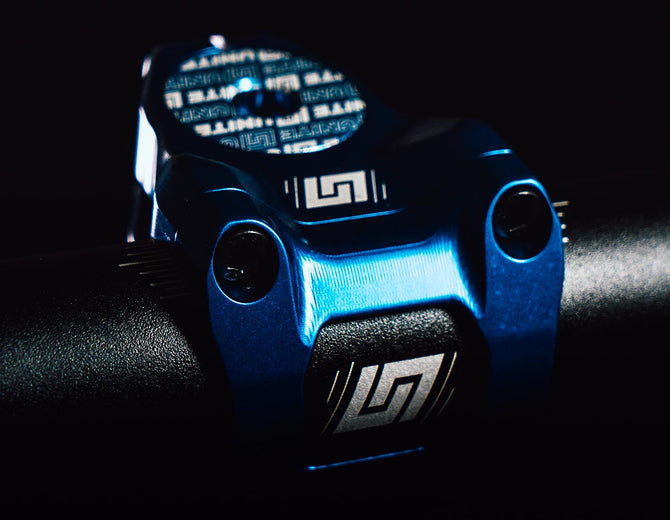
- DIY Adjustments: Stem length and angle, handlebar rotation, and adding/removing spacers under the stem can all affect this. Your elbows should have a slight bend, not locked straight.
Saddle Tilt:
- Goal: Eliminate pressure points and provide a stable platform.
- What to look for:
- Too Much Nose Up: Causes pressure on sensitive areas.
- Too Much Nose Down: Causes you to slide forward, putting more pressure on your hands.
- DIY Test: Generally, a perfectly level saddle is the best starting point. Make tiny adjustments (a degree or two) at a time until you find comfort.
Quick Tips for DIY Bike Fit:
- Make Small Changes: Adjust one thing at a time and ride a few times before making another change.
- Listen to Your Body: Discomfort is a sign that something needs adjusting.
- Take Notes: Keep a record of your current settings and any changes you make.
- Use a Spirit Level/Tape Measure: Accuracy is key, especially for saddle height and tilt.
- Consider a Mirror or Video: Record yourself riding on a trainer to visually assess your position.
Even small adjustments to your bike fit can lead to a surprisingly significant improvement in your riding pleasure and performance.
Happy Cycling,
The RUK-BIKES Team
P.S. What's one simple bike fit adjustment that made the biggest difference for you? Share your experience!


